
Europe would face “serious pain” if America diverts LNG elsewhere, Energy Secretary Chris Wright has warned amid a row over environmental rules
The US has warned the EU that American liquefied natural gas (LNG) could be diverted elsewhere unless Brussels eases planned methane emissions regulations. The move signals a growing willingness by Washington to leverage its dominant position in Europe’s energy market.
The EU replaced much of its Russian pipeline gas with American LNG following the escalation of the Ukraine conflict in 2022 and the imposition of sanctions on Moscow. The shift made the US the bloc’s largest external gas supplier and was hailed by its leaders as a step toward greater energy security.
Europe’s energy crisis has worsened since then, with gas and electricity prices soaring to record highs.
Speaking to Bloomberg on Thursday, US Energy Secretary Chris Wright said American exports would “flow somewhere else” if the EU refused to change the rules, which are due to take effect in 2027.
“Without a meaningful reform of that rule, it is going to cause serious pain into Europe and that’s unnecessary,” Wright said.
Read more
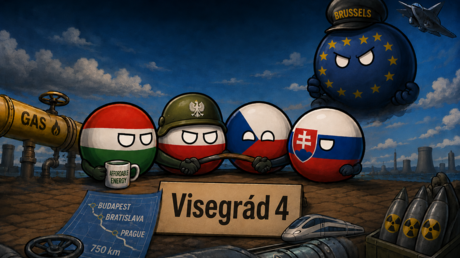
Gas, nukes, and historical bad blood: Can Eastern Europe pull itself together?
Under the new regulation, imported gas will have to meet strict methane monitoring, reporting and verification standards comparable to those imposed on EU producers. Brussels argues the measures are essential to cutting emissions of one of the world’s most potent greenhouse gases.
The US has joined Qatar, Algeria and Nigeria in urging the EU to amend or delay the legislation. Exporters argue there is no practical way to comply because America’s sprawling network of gas fields, pipelines and processing facilities makes it difficult to measure methane emissions for individual LNG cargoes. They also say uncertainty over potential penalties is already discouraging long-term contracts with European buyers.
EU Energy Commissioner Dan Jorgensen rejected calls to weaken the legislation, insisting the bloc would not compromise its environmental standards despite pressure from suppliers. The bloc’s energy ministers were due to discuss the issue at a meeting in Luxembourg on Friday.
The standoff highlights a striking reversal in the EU’s energy relationship with its main supplier. Before abandoning most Russian gas imports, Western governments frequently accused Moscow of using energy exports as a geopolitical tool, a charge the Kremlin consistently denied. Now, with the bloc heavily dependent on American LNG, Washington is openly linking future gas supplies to changes in policy.